



Fast Fashion: What Is the Real Cost of Cheap Clothing?
Affordable clothing may seem like a good choice: it requires little financial effort and quickly meets a need or trend. However, the price tag does not show how much the product will cost relative to the actual number of times it is worn.
Fast fashion is a model based on rapid production, high volumes, frequent collections, and prices that can encourage constant replacement. To properly evaluate a purchase, you must consider the cost per wear, durability, construction, care, and production impact. The goal is not to blame people who buy affordable clothing, nor to support the simplistic idea that any cheap product is poor and any expensive product is good.
What fast fashion means

How the model works
The model quickly turns trends observed on runways, on social media, or in popular culture into commercially available products. Collections are rotated frequently, assortments change quickly, and promotions maintain interest in new items.
Fast fashion describes the entire production and consumption system, not just the price of a blouse. Speed, volumes, inventory strategy, and the way purchasing is encouraged are equally relevant.
Why clothes can have such low prices
Low prices can be sustained through high volumes, standardized designs, affordable materials, outsourced production, and strict cost negotiation. The final price is also influenced by transport, markup, inventory turnover, discounts, and commercial strategy.
Cheap clothing does not automatically indicate poor working conditions. The problem is that the lack of information about factories, suppliers, and contracts makes it difficult to evaluate the production chain.
How impulsive purchases are encouraged
Frequent collections, limited discounts, notifications, and messages about low stock can create the impression that a decision must be made immediately. The product becomes attractive through novelty and urgency, even if it does not meet a real need.
Responsibility does not belong exclusively to the buyer. Platform design, personalized advertising, and promotional strategy are built precisely to shorten the time for reflection.
The real cost is not just the price tag

Cost per wear
Cost per wear shows how much you pay for each use of a product:
Cost per wear = product price ÷ actual number of wears
A 250 lei garment worn five times costs 50 lei for each use. A 1,500 lei piece worn 100 times has a cost of 15 lei per wear.
The examples are illustrative. A premium garment worn only once remains a poor purchase, while an affordable piece worn weekly can offer very good value.
The cost of repeated replacements
Let's compare two hypothetical scenarios over a period of ten years:
-
five 500 lei coats, each used for approximately two years: total cost of 2,500 lei;
-
one 2,000 lei coat used for ten years: total cost of 2,000 lei.
If we estimate 40 wears per season, the five coats would total 400 wears and a cost of 6.25 lei per wear. The coat used for ten years would also total 400 wears, but at 5 lei per wear.
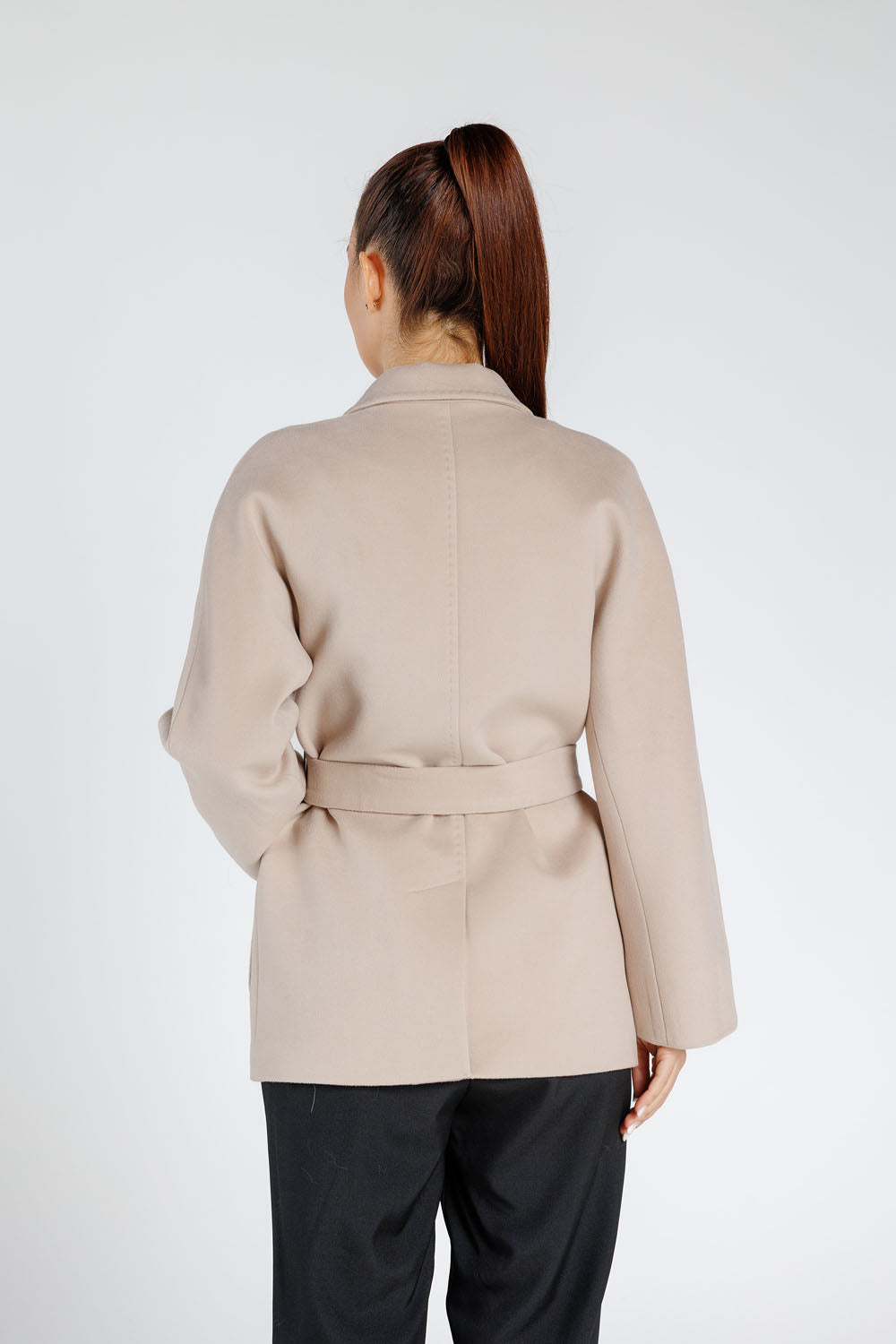
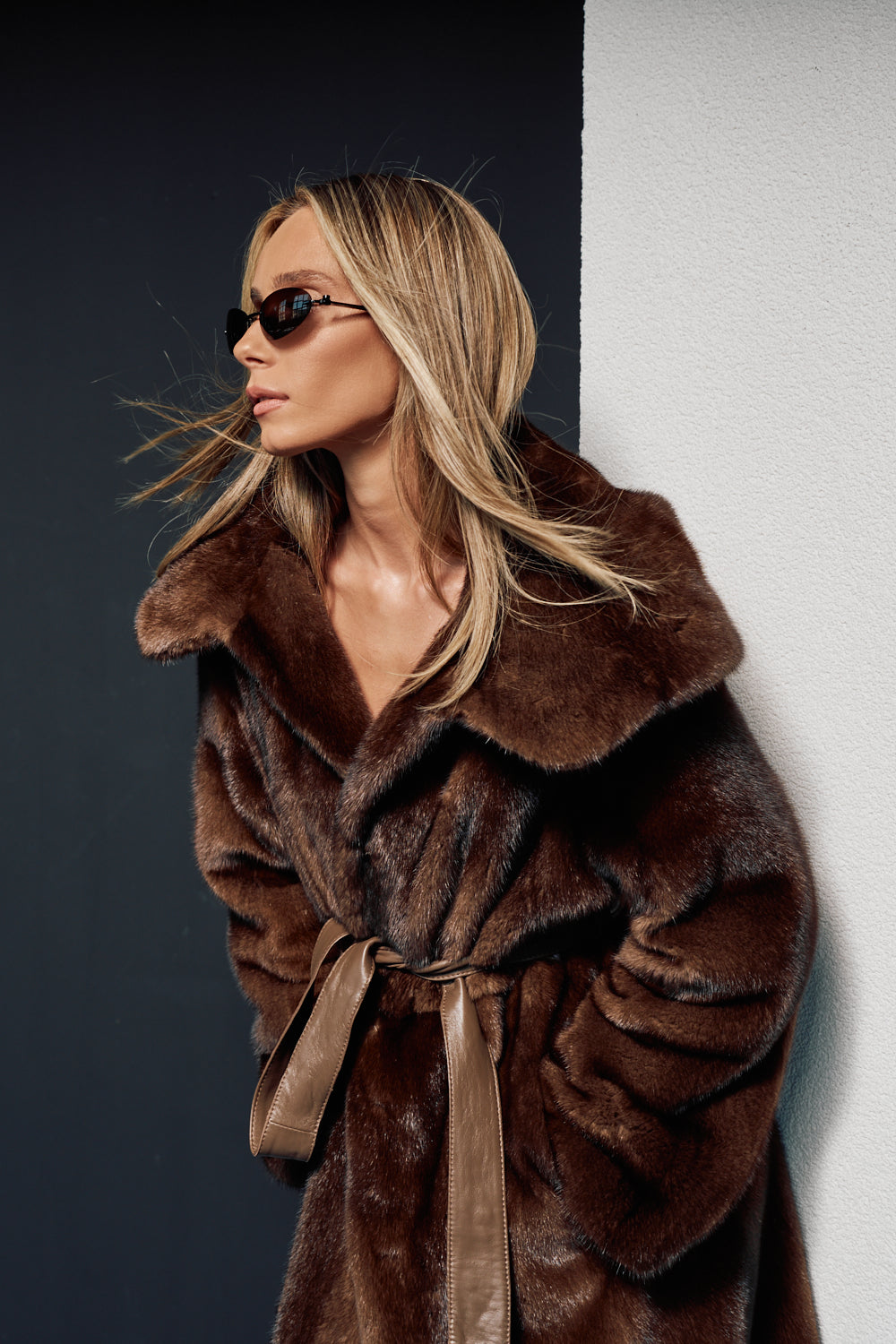
The comparison is only valid if the more expensive product fits, is worn enough, and lasts the estimated period. A model from the Mareus cashmere and wool coat selection must be evaluated by composition, density, cut, and care, without assuming it will automatically last ten years.
The hidden costs of a poor choice
The total cost may include:
-
tailoring adjustments;
-
professional cleaning;
-
repairs;
-
replacing zippers or buttons;
-
special care products;
-
proper storage.
A piece that is difficult to combine may also lead to the purchase of other items. In addition, uncomfortable clothing, clothing unsuitable for your profession, or clothing that is difficult to care for may remain unworn, regardless of quality.
When a cheap garment can be a good choice

An affordable piece can offer good value if it is well made, fits, and is worn frequently. A low price alone does not prove poor construction.
For clothing worn rarely, temporary contexts, body changes, or activities that quickly wear out the material, a large investment may not be justified. At the same time, a premium piece bought impulsively may have a higher cost per wear than an affordable product used constantly.
The important criterion is the actual product: composition, cut, comfort, construction, and its role in your wardrobe.
Environmental impact

Raw material production
Natural and synthetic fibers use resources and generate different types of impact. Cotton, wool, leather, polyester, and viscose cannot be compared by a single rule.
Natural origin does not automatically mean a lower impact. For a proper evaluation, data on raw materials, processing, energy, substances used, and the product's lifespan are needed.
Dyeing and finishing textiles
Dyeing and finishing may involve water, energy, and chemicals. The impact varies depending on the technology, facilities, standards applied, and wastewater treatment.
Not all factories use the same processes. Any figure on water consumption or emissions must be linked to the product, region, and methodology analyzed.
Synthetic fibers and microfibers
Some synthetic textiles can release microfibers during use and washing. The amount depends on the material, construction, age, washing program, and machine fill level.
You can reduce unnecessary washing, follow the temperature indicated on the label, and load the machine correctly. No home solution should be presented as a complete elimination of the problem.
Overproduction and unworn clothing
Unsold inventory, returns, and rarely worn pieces contribute to the volume of products that must be redistributed, recycled, or disposed of. Recycling is especially difficult for fiber blends and multi-component items.
Waste prevention begins before recycling: buying more carefully, wearing repeatedly, caring for, and repairing.
The social cost in the production chain

Pressure on deadlines and costs
High speed and pressure on prices can be transferred to suppliers and workers. Short deadlines can affect planning, work schedules, and factories' ability to meet assumed standards.
Conditions vary between countries, factories, and contracts. Not all products made under this model come from the same working conditions.
Why transparency is important
A buyer should be able to find information about factories, standards, audits, and traceability. A code of conduct published on the website shows the existence of a policy, but does not demonstrate its application on its own.
Verifiable data on suppliers, audit results, and corrective measures offer more context than a general statement of responsibility.
How statistics should be used
Statistics on wages, accidents, work schedules, or industry size should be taken from current and credible sources. The year, region, and methodology are essential for interpretation.
Viral figures without context can combine different periods, countries, and segments, producing conclusions that cannot be applied to all clothing.
Fast fashion versus slow fashion

|
Criterion |
Fast fashion |
Slow fashion |
|
Collection pace |
Fast and frequent |
More moderate |
|
Purchasing decision |
Encourages novelty and speed |
Emphasizes need and use |
|
Targeted durability |
May favor rapid replacement |
Promotes long-term use |
|
Transparency |
Varies greatly |
Should offer verifiable information |
|
Repair |
Is not always a priority |
Is encouraged |
|
Price |
Usually affordable |
Can be higher, but not necessarily |
|
Number of pieces |
High volumes and variety |
More careful selection |
Slow fashion is not a certification. Using the term does not guarantee the quality, ethics, transparency, or sustainability of a product.
What truly sustainable fashion means

More than the material
To understand what sustainable means, the entire journey must be analyzed: raw materials, production, transport, use, care, and end of life.
No material is completely without impact. The term sustainable fashion describes a direction for improvement rather than a perfect category of products.
Durability
A frequently worn garment distributes its initial impact over multiple uses. However, longevity does not negate the energy, resources, and processes used in production.
Cut, comfort, and compatibility with your wardrobe are important because they influence the actual frequency of wear.
Traceability and evidence
Look for information about:
-
exact composition;
-
material origin;
-
place of production;
-
factories involved;
-
certifications and verified criteria;
-
care and repairability.
Terms such as “eco,” “conscious,” “responsible,” or “green” need explanation. A certification can verify only certain stages and does not provide answers to all questions about the product.
How to recognize quality clothing

Read the label
Check the proportion of each fiber, not just the material highlighted in the title. Natural fibers can have different quality levels, and their mere presence does not guarantee durability.
Blends are not automatically inferior. Some fibers can add structure, elasticity, or durability, depending on the product's purpose.
Analyze the construction
Check the regularity of the seams, hems, lining, buttons, zippers, and pockets. The material should not pull or form tension wrinkles around the seams.
Look inside as well. Hidden finishes can show how much attention was paid to the finished product.
Try the piece in motion
Check the shoulders, sleeves, waist, and freedom of movement. A coat should be tried over the sweater or jacket with which it will be worn.
Do not buy an uncomfortable piece assuming it will fully adapt after use. Some materials relax, but an unsuitable cut will not correct itself.
Check care and repairability
Read the instructions before purchasing and estimate professional cleaning costs. Check if the buttons, zipper, lining, and hems can be repaired or replaced.
A difficult-to-care-for product can become costly even if it is structurally durable.
Pieces for which a larger investment may make sense

The wool or cashmere coat
The coat is worn frequently, influences the entire outfit, and must allow for layering. Evaluate the composition, density, lining, cut, and finishes.
A well-made blend can be more practical than a choice based exclusively on the cashmere percentage.
The genuine leather jacket
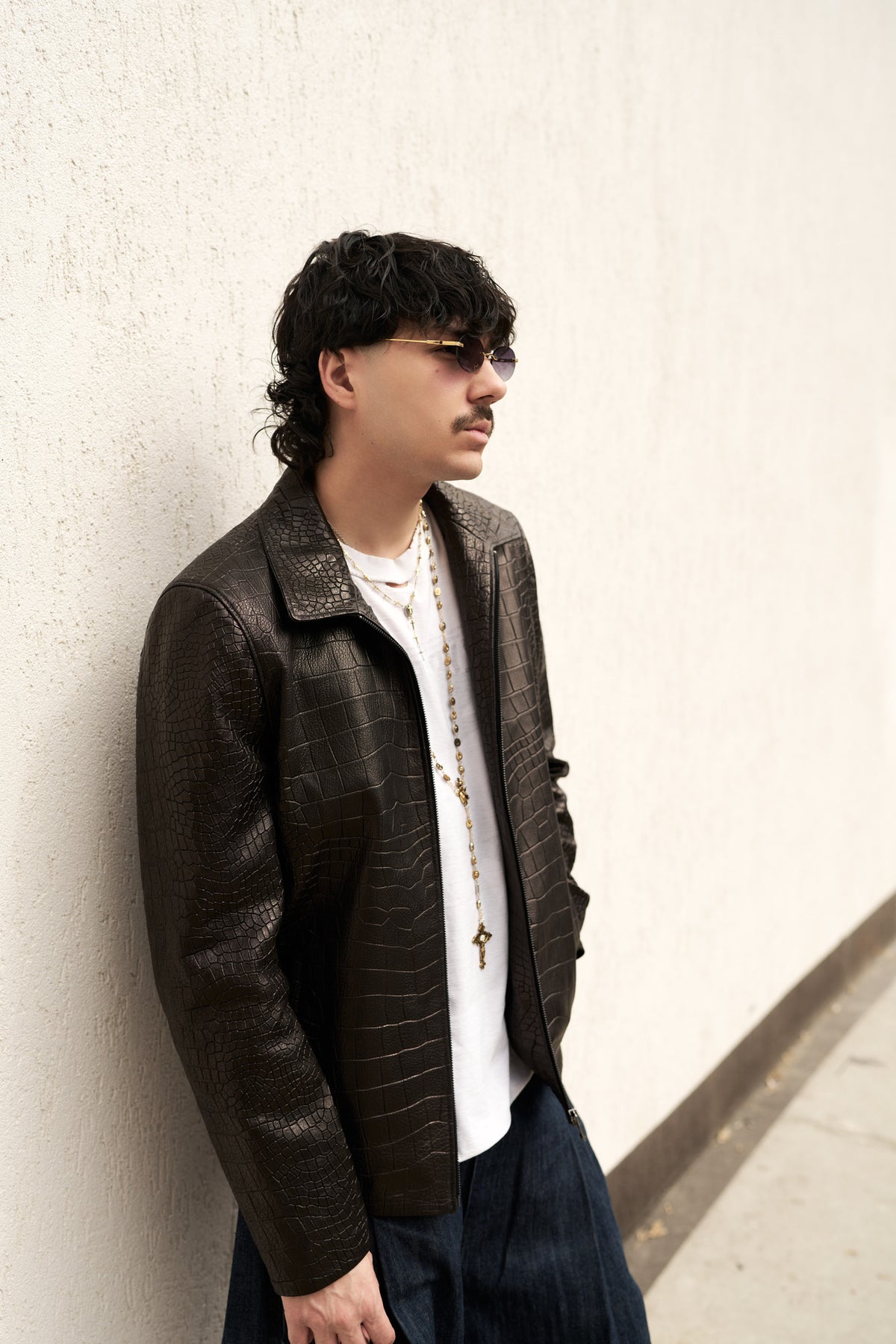
A leather jacket can be used for multiple seasons if the material, cut, and construction are suitable. Check the leather's flexibility, lining, seams, zippers, and comfort in motion.
When analyzing Mareus women's items, apply the same criteria to each product. Positioning or natural material alone does not guarantee longevity.
Wool and cashmere knits
Check the density, texture, shape stability, and cleaning instructions. The piece should be able to be worn alone and layered.
Pilling can occur with good fibers too, especially in areas of friction. The intensity and speed of the phenomenon must be analyzed together with use and care.
Frequently worn shoes and bags
A higher budget may make sense if the product is comfortable, repairable, and suitable for daily activities. A logo, exclusivity, or association with luxury does not automatically turn a piece into an investment.
How to calculate before buying

Before deciding, answer six questions:
-
How many times do I realistically estimate I will wear the piece?
-
How many existing clothes can I combine it with?
-
Is it suitable for my usual activities?
-
What are the cleaning and maintenance costs?
-
Can it be adjusted or repaired?
-
Would I buy it even if it weren't on sale?
Then apply the formula:
Cost per wear = product price ÷ estimated number of wears
An affordable piece of 300 lei worn 60 times costs 5 lei per wear. A premium piece of 1,800 lei worn six times costs 300 lei per wear.
Frequency of use is just as important as price and material. The estimate should be based on a real lifestyle, not on the ideal scenario in which the product would be worn constantly.
How to reduce the cost of your wardrobe without buying exclusively premium

Wear more of what you already have
Inventory your clothes and identify forgotten pieces. Create new combinations before buying and note the gaps that limit more outfits.
Do not discard functional products just because they come from fast fashion. Using them for as long as possible is more useful than replacing them immediately.
Repair and adjust
Shortening a hem, changing buttons, repairing a seam, or adjusting the waist can turn a rarely worn garment into a useful one.
Compare the cost of the intervention with the value of use that the piece can recover.
Buy second-hand
Check the material, stains, smells, seams, lining, and cleaning possibilities. Include potential repairs in the final cost.
Second-hand is not a perfect solution if low prices encourage the same excessive consumption. Buy only products you will use.
Rent or borrow for rare occasions
Renting can make sense for events, themed outfits, or products that would be worn only once. Check the size, cleaning conditions, and responsibility for potential damage.
For certain occasions, borrowing a piece can completely eliminate the need for a purchase.
Build a capsule wardrobe
A capsule wardrobe brings together compatible clothes, adapted to personal activities and preferences. It does not need to be built from scratch or limited to neutral colors.
Start with existing pieces and gradually fill only the real gaps.
How to extend the life of clothes

To use products for longer:
-
follow the care label;
-
wash only when necessary;
-
use the appropriate program for the material;
-
avoid aggressive drying if not recommended;
-
keep knits folded;
-
use wide hangers for coats;
-
quickly repair loose seams and hems;
-
professionally clean pieces that require it;
-
store clean and completely dry clothes;
-
protect wool and cashmere from moths.
Conclusion

The low shelf price does not always represent the total cost of a garment, but neither does a high price guarantee value. It results from quality, fit, frequency of wear, maintenance, and repairability.
Calculate the cost per wear with realistic estimates and start with the clothes you already own. The most effective cost reduction does not necessarily come from buying more expensive products, but from choosing pieces you will wear enough.